What a Remote Closer Is in High-Ticket Sales
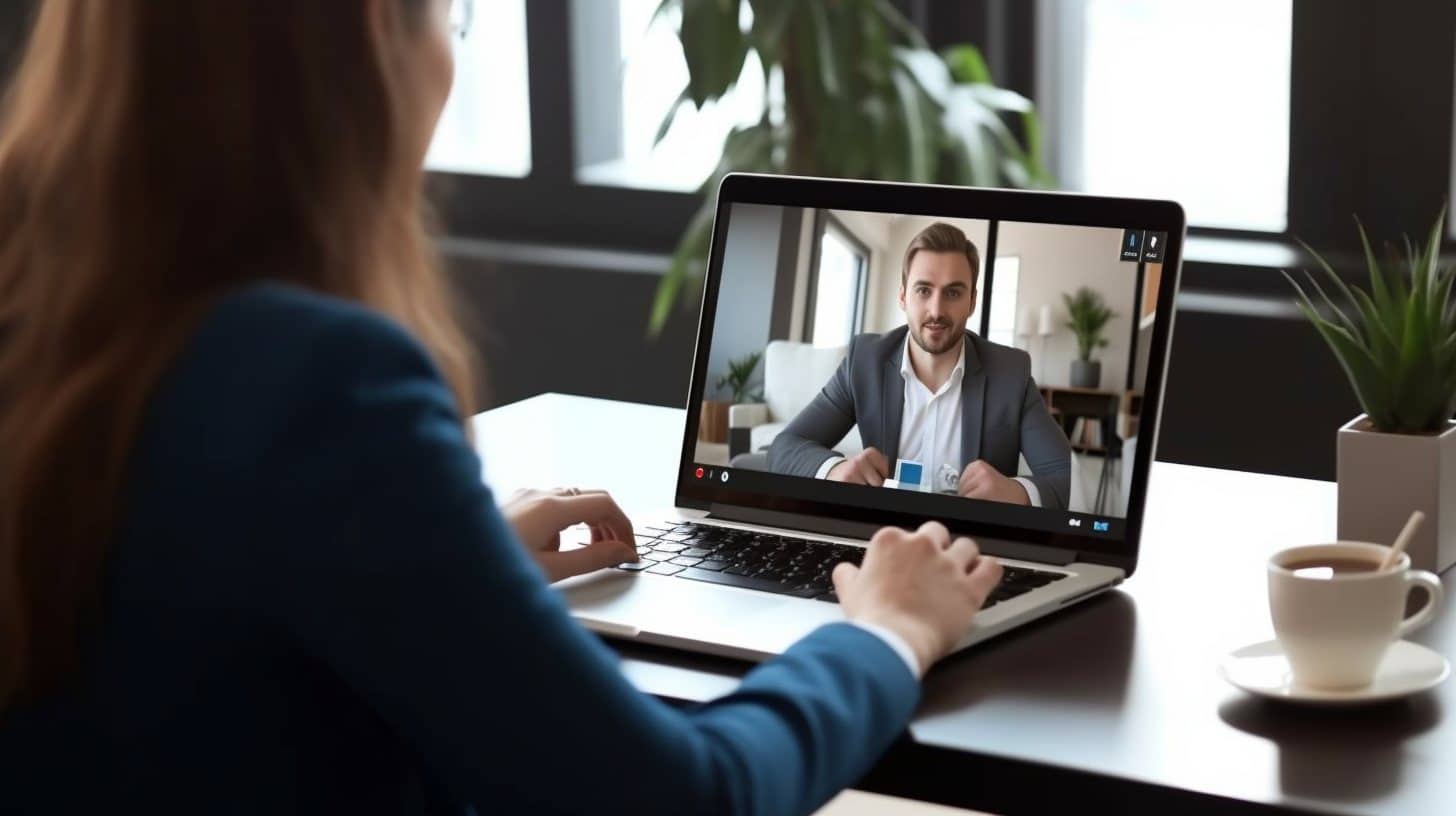
A remote closer is a sales professional who conducts high-value sales conversations entirely online or over the phone, typically for digital businesses. The role is centered around helping qualified prospects make informed buying decisions for premium products or services. If you want to become a remote closer, you need to understand that this position is less about aggressive selling and more about structured communication and problem-solving. Remote closers often work in industries such as coaching, consulting, SaaS, and online education where deals can range from hundreds to thousands of dollars. Unlike traditional sales roles, remote closers do not usually cold call; instead, they handle warm, pre-qualified leads. The core focus is guiding conversations rather than pushing products. This makes the role highly attractive for individuals seeking a professional, flexible, and remote-friendly career.
In many modern businesses, remote closers are a critical part of the revenue engine. They bridge the gap between marketing-generated leads and actual paying customers. Without them, many high-ticket offers would struggle to convert interest into revenue. To become a remote closer, you must learn how to communicate value clearly and confidently. The job requires emotional intelligence, structured thinking, and strong listening skills. It is not about memorizing scripts alone but about understanding human behavior in sales contexts. This role rewards individuals who can stay calm under pressure while guiding conversations toward mutually beneficial outcomes.
Why More Professionals Want to Become a Remote Closer
The demand for remote closers has grown significantly due to the global shift toward digital business models. Companies are increasingly selling products and services online, which naturally creates more opportunities for remote sales professionals. Many individuals want to become a remote closer because it offers location independence and flexible working conditions. Instead of being tied to a physical office, closers can work from anywhere with a stable internet connection. This flexibility has made the profession especially appealing to freelancers and career changers.
Another major reason people pursue this path is income potential. Remote closers often work on commission-based structures, which means earnings are directly tied to performance. High-ticket sales allow skilled closers to earn substantial commissions from a single deal. This creates a strong incentive for performance-driven individuals. Businesses also prefer remote closers because they reduce overhead costs while increasing conversion rates. As a result, demand continues to rise across industries. To become a remote closer is to enter a performance-based career path with scalable income opportunities.
The rise of online education, coaching programs, and digital services has also fueled this trend. More entrepreneurs are launching high-ticket offers that require skilled sales professionals to handle conversations. This ecosystem creates a steady flow of job opportunities for new and experienced closers alike. Many professionals are drawn to the idea of mastering a skill that is universally valuable across industries. Sales is one of the few careers where communication ability directly translates into income growth. This makes the role both practical and financially rewarding.
Core Responsibilities of a Remote Closer
A remote closer has several important responsibilities that directly impact business revenue. The primary task is conducting scheduled sales calls with qualified leads who have already shown interest in a product or service. These calls are typically structured and focused on understanding the prospect’s needs. To become a remote closer, you must learn how to manage conversations in a way that feels natural but purposeful. Every interaction is designed to uncover pain points and align solutions effectively.
Remote closers are also responsible for handling objections in a professional and calm manner. Instead of pushing back, they explore concerns and clarify misunderstandings. This helps build trust and reduces resistance during the decision-making process. Another key responsibility is presenting offers in a way that highlights value rather than features. This requires strong storytelling and communication skills. Closers also maintain accurate records of conversations in CRM systems to track progress and performance.
Key responsibilities include:
-
Conducting structured sales calls with qualified leads
-
Identifying customer pain points and goals
-
Presenting high-ticket offers clearly and confidently
-
Managing objections with empathy and logic
-
Updating CRM systems with call outcomes
-
Following up on pending decisions when necessary
-
Maintaining professional communication throughout the sales process
Each of these responsibilities contributes to the overall success of the sales pipeline. A strong remote closer ensures that every conversation moves the prospect closer to a decision without pressure tactics.
Essential Skills Needed to Become a Remote Closer
To become a remote closer, developing the right skill set is essential. Communication is the foundation of success in this role, especially the ability to speak clearly and listen actively. Emotional intelligence plays a major role because understanding a prospect’s mindset helps guide the conversation effectively. Persuasion skills are also important, but they must be used ethically and responsibly. Confidence during calls helps establish credibility and trust.
Another important skill is adaptability. No two sales calls are the same, and each prospect requires a different approach. Remote closers must also be comfortable handling rejection without losing motivation. Time management is essential since most work is scheduled around calls and follow-ups. Understanding basic sales psychology gives closers an advantage when navigating objections and closing deals.
Core skills required include:
-
Active listening and communication clarity
-
Emotional intelligence and empathy
-
Ethical persuasion techniques
-
Confidence in high-pressure conversations
-
Time management and discipline
-
Adaptability in different sales scenarios
-
Understanding of buyer psychology
These skills can be developed over time with practice and training. Many successful closers started with minimal experience but improved through consistent learning and repetition.
How to Become a Remote Closer With No Experience
It is possible to become a remote closer even without prior sales experience. Many companies and training programs are designed specifically for beginners entering the field. The key is willingness to learn and practice consistently. Sales is a skill that improves with repetition rather than theory alone. Beginners should focus on understanding basic communication principles and sales structures.
Training programs often provide scripts, frameworks, and role-playing exercises to help new closers build confidence. Practicing mock calls is one of the fastest ways to improve performance. Learning how to handle objections early in your journey is also important. Many beginners struggle at first, but progress becomes noticeable with consistent effort. The industry values performance over background, which means results matter more than credentials.
Starting with foundational knowledge gives you an advantage when applying for entry-level remote sales positions. Even without experience, demonstrating commitment and learning ability can open doors. Many businesses are willing to train individuals who show potential and discipline.
Step-by-Step Path to Become a Remote Closer
The journey to become a remote closer follows a structured learning and application process. It begins with understanding the basics of high-ticket sales and how conversations are structured. Learning sales frameworks helps build confidence before handling real calls. Practicing through simulations and role-playing exercises strengthens communication skills.
Once foundational knowledge is in place, the next step is applying for entry-level roles or training programs. Many companies offer onboarding systems designed for beginners. After landing a role, consistent practice becomes the most important factor in growth. Listening to feedback and analyzing calls helps improve performance over time. With experience, closers can move into higher-paying opportunities.
Step-by-step process:
-
Learn the fundamentals of high-ticket sales
-
Study basic sales conversation structures
-
Practice mock sales calls regularly
-
Apply for entry-level remote closing positions
-
Participate in training and mentorship programs
-
Gain real call experience and improve continuously
-
Move into higher-ticket and specialized sales roles
This structured path helps reduce uncertainty and provides a clear direction for career development.
Tools Used by Remote Closers
Remote closers rely on various digital tools to manage their workflow effectively. These tools help streamline communication, scheduling, and performance tracking. CRM systems are commonly used to organize leads and monitor sales progress. Video conferencing platforms are essential for conducting live sales calls. Scheduling tools help manage appointments efficiently without conflicts.
Closers also use communication platforms to coordinate with teams and managers. Proposal and payment tools are often integrated into the sales process for seamless transactions. These tools ensure that remote work remains organized and efficient.
Common tools include:
-
CRM platforms for lead tracking
-
Video conferencing software
-
Scheduling and calendar tools
-
Team communication platforms
-
Proposal and payment systems
Understanding how to use these tools improves efficiency and professionalism in remote sales environments.
High-Ticket Sales Frameworks Used by Remote Closers
Remote closers follow structured sales frameworks to guide conversations effectively. These frameworks help maintain consistency and improve conversion rates. The process usually begins with building rapport and trust early in the conversation. After that, closers focus on understanding the prospect’s needs through discovery questions. This allows them to identify pain points and goals clearly.
Once information is gathered, closers position the offer as a solution. The presentation is tailored based on the prospect’s specific situation. Objection handling is an important stage where concerns are addressed calmly. Finally, the conversation moves toward a decision-making point where the prospect chooses whether to proceed.
These frameworks are not rigid scripts but flexible guides. They help maintain structure while allowing natural conversation flow.
How to Find Remote Closer Jobs
There are several ways to find opportunities to become a remote closer. Many job listings are available on remote work platforms and sales-specific job boards. Networking in online business communities can also lead to opportunities. LinkedIn is another powerful tool for connecting with recruiters and business owners.
Digital marketing agencies and coaching businesses frequently hire remote closers. Some training programs also offer job placement support after completion. Direct outreach to companies can also be effective if done professionally. Consistency is important when applying and networking.
Salary Expectations and Income Potential
Income for remote closers varies depending on experience, industry, and performance. Entry-level closers typically earn through commission-based structures. As skills improve, earnings increase significantly. High-ticket sales roles can generate substantial income from single deals. Top performers often scale their income through consistent closing performance.
The financial potential is one of the main reasons people want to become a remote closer. However, results depend heavily on skill development and consistency. This is a performance-driven career where effort directly impacts earnings.
Common Mistakes to Avoid When Trying to Become a Remote Closer
Many beginners make avoidable mistakes when entering the field. One common issue is relying too heavily on scripts without understanding the conversation. Another mistake is focusing on selling instead of solving problems. Poor objection handling can also reduce conversion rates significantly.
Inconsistent follow-up and lack of organization are additional challenges. Some beginners also fail to track their performance, which slows down improvement. Avoiding these mistakes increases the chances of long-term success.
How to Stand Out as a Remote Closer Candidate
Standing out in the remote closing field requires preparation and professionalism. Demonstrating strong communication skills during mock calls can make a big difference. Employers value candidates who show consistency and willingness to improve. Building a strong understanding of sales psychology also helps.
Having a disciplined work environment and professional setup enhances credibility. Continuous learning and practice signal long-term commitment. These qualities make candidates more attractive to hiring companies.
FAQ
What does it take to become a remote closer?
It takes communication skills, discipline, and a willingness to learn high-ticket sales frameworks.
Can beginners become remote closers?
Yes, beginners can enter the field through training programs and consistent practice.
Is remote closing a stable career?
It can be stable for high performers who consistently improve their sales skills.
How long does it take to become successful?
Some individuals start seeing results within a few months of focused practice.
Do remote closers work full-time or part-time?
Both options exist depending on the company and arrangement.
Takeaway
To become a remote closer is to step into a performance-based career that rewards communication, discipline, and adaptability. It is a path built on skill development rather than traditional credentials. The opportunity exists across industries that rely on high-ticket sales conversations. Success comes from consistent practice, structured learning, and understanding buyer psychology. This role offers flexibility, income potential, and long-term career growth for those willing to invest in their development.