
Understanding Remote High Ticket Closing Jobs
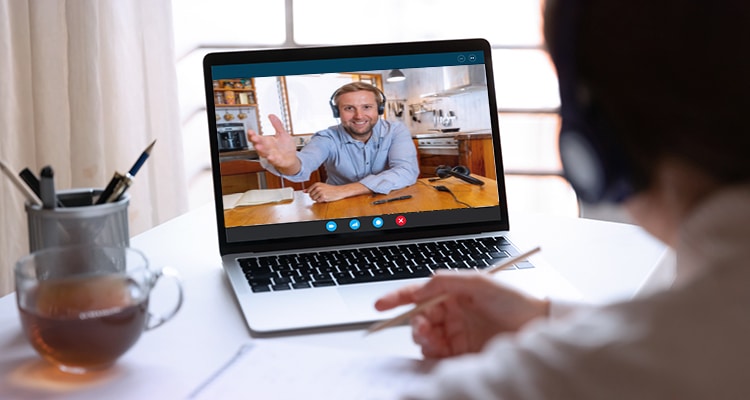
Remote high ticket closing jobs revolve around selling premium products or services through virtual communication channels such as Zoom calls, phone calls, or messaging platforms. These roles focus on converting qualified leads into paying clients, often for offers priced anywhere from $1,000 to $50,000 or more. Unlike traditional sales roles that may involve cold calling or retail interactions, high ticket closing typically deals with warm leads who already have some level of interest. This makes the role more strategic, requiring deeper conversations and tailored solutions rather than quick pitches. The remote aspect allows professionals to work from anywhere, eliminating geographic limitations and opening doors to global opportunities. Businesses increasingly prefer remote closers because it reduces overhead while giving access to top talent worldwide. As a result, this career path has become one of the most appealing options for individuals seeking flexibility and high income potential.
Why Remote High Ticket Closing Jobs Are in High Demand
The demand for remote high ticket closing jobs has surged due to the rapid growth of online businesses and digital services. Entrepreneurs, coaches, consultants, and agencies are scaling their operations globally, which requires skilled closers to convert leads into revenue. With more companies adopting remote work models, the need for location-independent sales professionals continues to rise. Another major factor driving demand is the effectiveness of virtual selling, as buyers have become more comfortable making large purchasing decisions online. High ticket offers generate significant profit margins, making it worthwhile for businesses to invest in experienced closers. Additionally, marketing systems today are highly advanced, producing a steady flow of qualified leads that need to be handled by skilled professionals. This combination of high demand and strong earning potential makes the field highly competitive yet rewarding for those who master the craft.
Core Responsibilities of a Remote High Ticket Closer
A remote high ticket closer is responsible for guiding potential clients through the decision-making process and helping them feel confident about their purchase. This typically begins with conducting discovery calls to understand the prospect’s needs, goals, and challenges. During these conversations, the closer must position the offer as a solution that aligns with the client’s desired outcome. Handling objections is a critical part of the role, as prospects often have concerns about price, timing, or trust. Closers must also maintain a high level of professionalism while building rapport in a virtual setting. Following up with leads who are not ready to commit immediately is another key responsibility that often determines overall success. In addition, collaboration with marketing and appointment-setting teams ensures a smooth pipeline and consistent flow of opportunities.
Essential Skills Required to Succeed
Success in remote high ticket closing jobs depends on a combination of interpersonal, strategic, and technical skills. Communication is at the core of everything, as closers must articulate value clearly and confidently. Active listening plays an equally important role, allowing the closer to fully understand the prospect’s situation before offering solutions. Emotional intelligence helps in reading subtle cues such as tone and hesitation, which are crucial in virtual conversations. A solid understanding of sales frameworks provides structure and consistency during calls. Technical proficiency is also necessary, as closers often use CRM systems, scheduling tools, and video conferencing platforms daily. Resilience is another essential trait, since rejection is part of the process and maintaining motivation is key. When all these skills come together, they create a well-rounded closer capable of delivering consistent results.
High-Income Potential: What You Can Earn
One of the biggest attractions of remote high ticket closing jobs is the earning potential. Most roles operate on a commission-based structure, meaning income is directly tied to performance. Beginners may start earning a few thousand dollars per month, but experienced closers can reach five-figure monthly incomes. Some top performers even scale beyond that by working with multiple clients or higher-priced offers. The size of the deal plays a significant role in determining commissions, as even a small percentage of a high ticket sale can result in substantial earnings. Conversion rates and lead quality also impact income, making it essential to work with reputable companies that provide qualified prospects. Over time, as skills improve, closers can command higher commission rates or negotiate better terms. This scalability is what makes the career so appealing to ambitious individuals.
Industries That Hire Remote High Ticket Closers
Remote high ticket closing jobs exist across a wide range of industries, each offering unique opportunities and challenges. Online coaching and consulting programs are among the most common, often focusing on business growth, mindset, or skill development. Digital marketing agencies also rely heavily on closers to sell premium service packages to clients. Software companies offering SaaS solutions frequently require skilled sales professionals to onboard new customers. Real estate investment programs and financial education services are another area where high ticket closing is prevalent. Health and fitness programs, particularly those offering personalized coaching, also utilize closers to convert leads. Each industry has its own nuances, but the core principles of high ticket closing remain consistent. This diversity allows closers to choose niches that align with their interests and expertise.
How to Get Started in Remote High Ticket Closing Jobs
Breaking into remote high ticket closing jobs does not always require a traditional sales background, but it does require dedication to learning and improvement. Many aspiring closers begin by studying sales fundamentals through online courses, books, and mentorship programs. Practicing through roleplay sessions helps build confidence and refine communication skills. Gaining initial experience can involve working on commission-only roles or assisting smaller businesses. Building a personal brand on platforms like LinkedIn can also attract potential employers. Networking within online communities provides access to job opportunities and valuable insights from experienced professionals. Direct outreach to businesses offering high ticket products is another effective strategy. With persistence and consistent effort, newcomers can establish themselves in the field.
Tools and Technology Every Closer Needs
To succeed in remote high ticket closing jobs, having the right tools is essential for efficiency and organization. CRM systems help track leads, manage pipelines, and monitor performance metrics. Video conferencing platforms enable seamless communication with prospects, making virtual selling more effective. Scheduling tools simplify the booking process and reduce no-shows by sending automated reminders. Note-taking applications allow closers to capture important details during calls for better follow-ups. Automation tools can streamline repetitive tasks, freeing up more time for selling. Reliable internet connectivity and a professional workspace also play a crucial role in maintaining consistency. By leveraging these tools effectively, closers can optimize their workflow and improve overall productivity.
Daily Workflow of a Remote High Ticket Closer
A typical day in remote high ticket closing jobs involves a mix of preparation, execution, and follow-up activities. Closers often start by reviewing their schedule and preparing for upcoming calls. Each conversation requires a clear understanding of the prospect’s background and needs. During calls, the focus is on building rapport, uncovering pain points, and presenting solutions. After each interaction, outcomes are logged into the CRM system for tracking and analysis. Follow-ups are a critical part of the process, as many deals are closed after multiple touchpoints. Continuous learning is also integrated into the daily routine, whether through training sessions or self-study. This structured approach helps maintain consistency and drive results over time.
Common Challenges and How to Overcome Them
While remote high ticket closing jobs offer significant rewards, they also come with challenges that require strategic solutions. One common issue is inconsistent lead flow, which can affect income stability. Working with multiple clients or companies can help mitigate this risk. Rejection is another challenge, as not every prospect will convert, making resilience essential. Staying disciplined in a remote environment can be difficult, especially without direct supervision. Setting clear goals and maintaining a structured routine can improve productivity. Handling objections from prospects requires practice and a deep understanding of the offer. Burnout can also occur if work-life balance is not managed properly. Addressing these challenges proactively ensures long-term success in the field.
Traits of Top-Performing Remote Closers
Top performers in remote high ticket closing jobs share certain characteristics that set them apart from the average. They possess a strong work ethic and are committed to continuous improvement. Confidence plays a key role, but it is balanced with authenticity and empathy. Adaptability allows them to handle different types of prospects and situations effectively. They are highly disciplined, managing their time and energy efficiently in a remote setting. A growth mindset keeps them open to feedback and new strategies. Building rapport quickly is another defining trait, as it creates trust and facilitates smoother conversations. These qualities collectively contribute to consistent high performance.
Remote High Ticket Closing Jobs vs Traditional Sales Roles
Remote high ticket closing jobs differ significantly from traditional sales roles in several ways. One of the most notable differences is the level of flexibility, as remote closers can work from virtually anywhere. Income potential is often higher due to commission-based structures tied to high-value deals. Traditional sales roles may involve more routine tasks and lower-ticket transactions. Remote closing requires a deeper level of skill, as conversations are more strategic and personalized. Work-life balance can also vary, depending on how effectively the closer manages their schedule. The barrier to entry may be lower in some cases, but the performance expectations are higher. These distinctions make remote high ticket closing an attractive option for those seeking autonomy and financial growth.
Tips to Increase Your Closing Rate
Improving your performance in remote high ticket closing jobs involves refining your approach and focusing on key strategies.
-
Pre-qualify leads to ensure they are a good fit for the offer
-
Structure calls to guide prospects through a logical decision-making process
-
Build genuine connections rather than relying on scripted pitches
-
Address objections with clarity and confidence
-
Follow up consistently without being overly aggressive
-
Continuously analyze past calls to identify areas for improvement
-
Invest in ongoing training to stay updated with industry trends
Implementing these strategies can significantly enhance conversion rates and overall success.
Long-Term Career Growth Opportunities
Remote high ticket closing jobs offer numerous pathways for long-term growth and advancement. Experienced closers can transition into leadership roles such as sales managers or team leaders. Some choose to become consultants, helping businesses improve their sales processes. Others build their own sales agencies, leveraging their expertise to serve multiple clients. Partnerships with companies can also lead to revenue-sharing opportunities, creating passive income streams. The skills developed in high ticket closing are transferable to various business ventures. As the digital economy continues to expand, the demand for skilled closers is expected to grow. This makes it a sustainable and future-proof career choice.
FAQ: Remote High Ticket Closing Jobs
What are remote high ticket closing jobs?
These roles involve selling premium products or services through virtual communication, often earning commissions on high-value deals.
Do I need prior sales experience to start?
Not necessarily, as many individuals enter the field by learning fundamentals and gaining experience through practice.
How much can I earn in this career?
Earnings vary widely, but skilled closers can make anywhere from a few thousand to over $20,000 per month.
Are these jobs legitimate?
Yes, but it is important to research companies and ensure they offer transparent compensation structures.
What industries offer the best opportunities?
Coaching, consulting, SaaS, and digital services are among the most lucrative sectors.
Can this be a part-time role?
Yes, depending on the company and workload, it can be either part-time or full-time.
How do I find opportunities?
Job boards, networking, and direct outreach are effective ways to discover roles.
Takeaway
Remote high ticket closing jobs present a powerful combination of flexibility, income potential, and personal growth. With the right skills, tools, and mindset, individuals can build a thriving career in this space while working from anywhere. The demand continues to rise as more businesses move online and prioritize high-value sales. Those willing to invest in learning and consistent improvement can unlock significant opportunities. This path is not limited to experienced sales professionals, as beginners can also break in with persistence and the right approach. By focusing on delivering value and building genuine connections, success becomes a realistic and achievable goal.